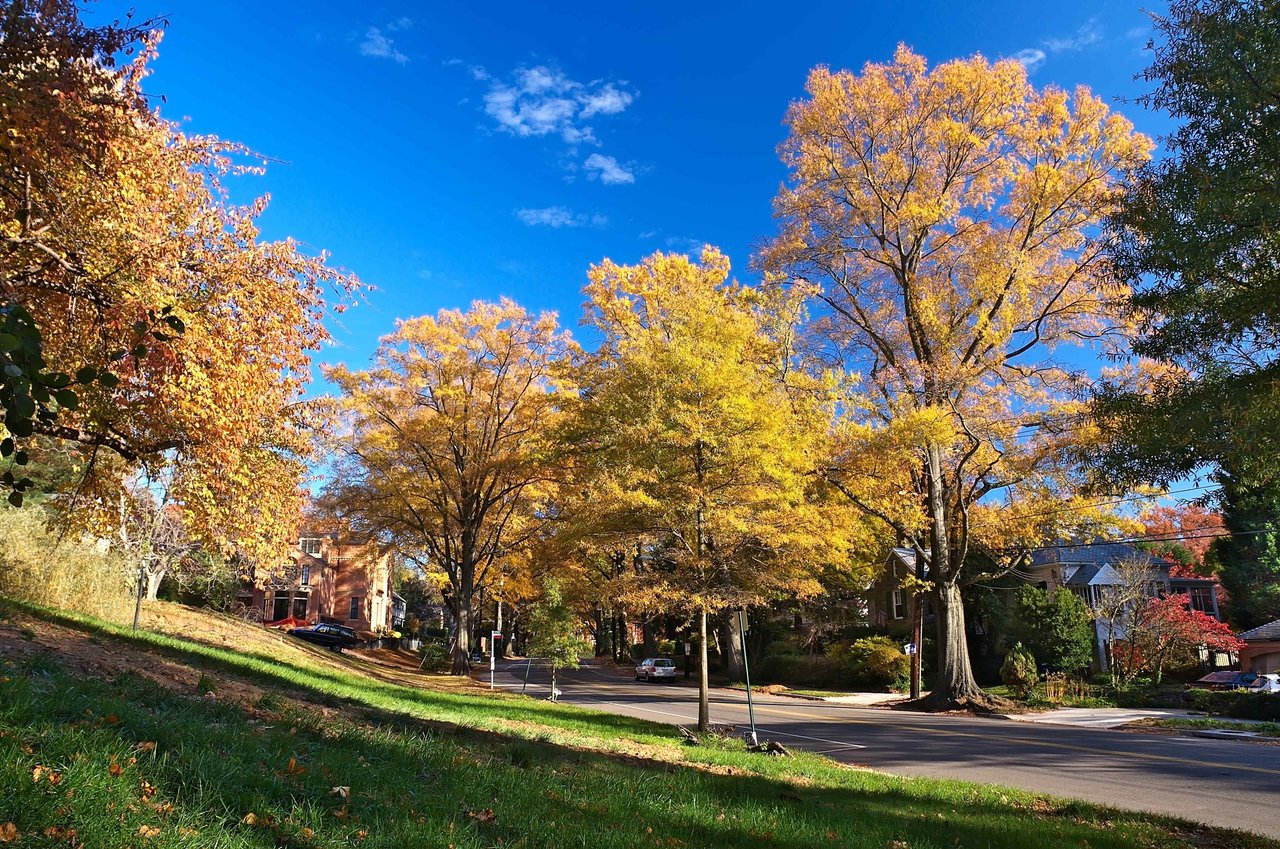
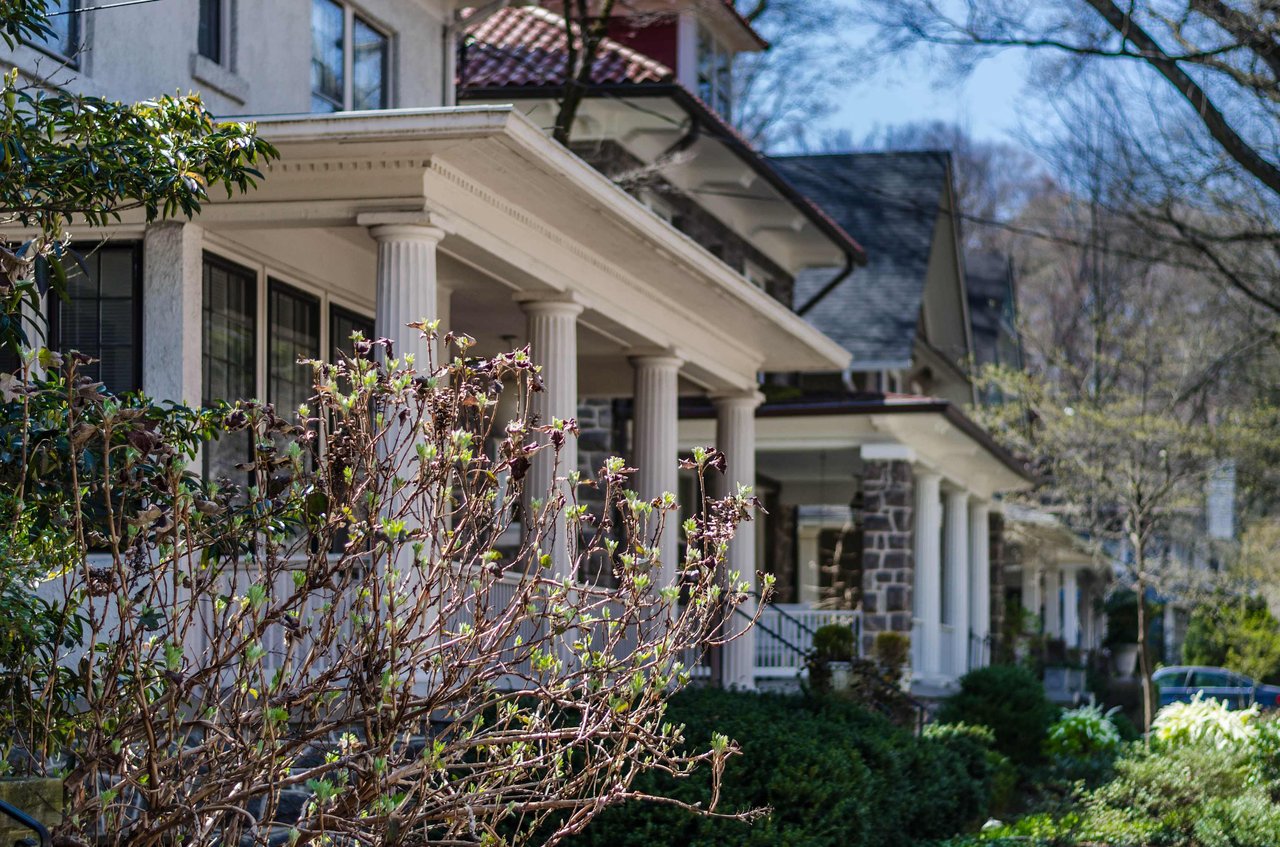
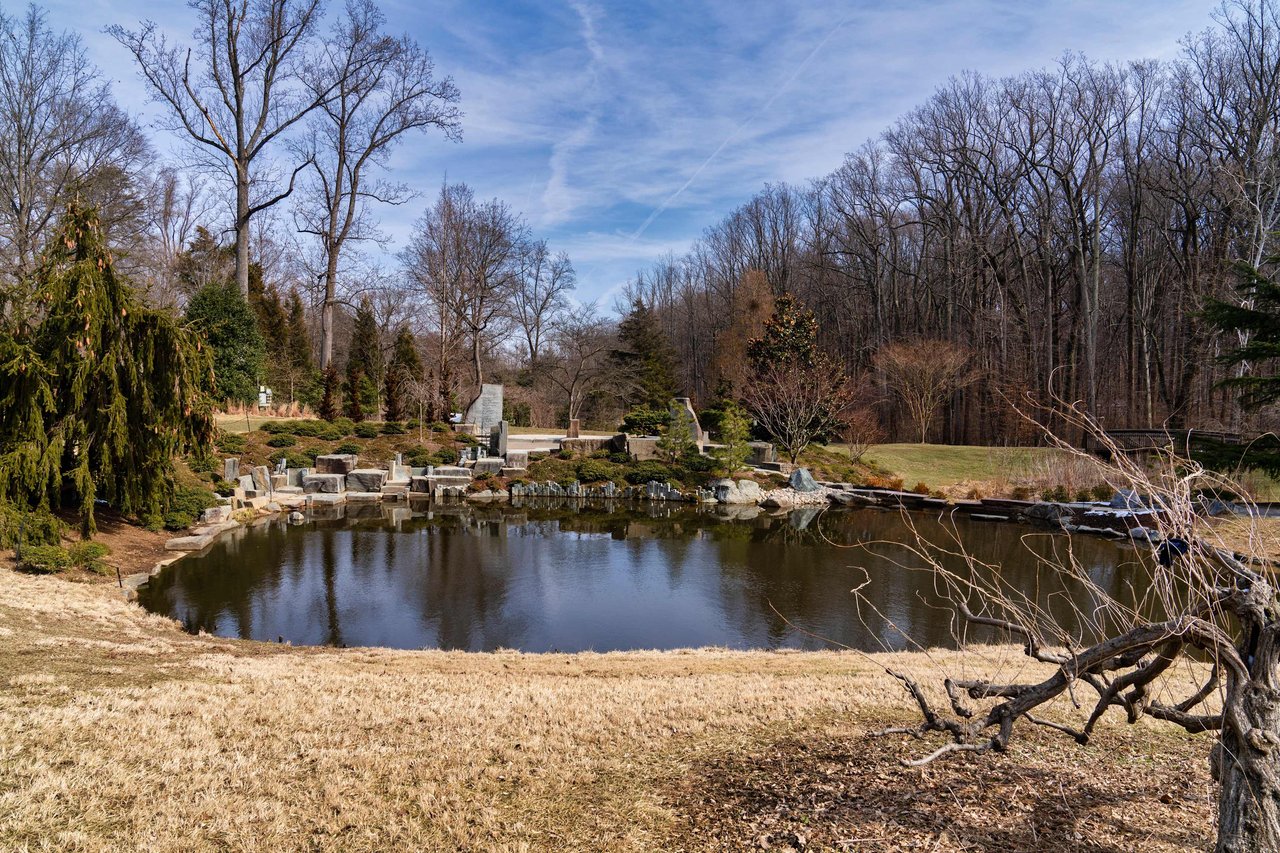
Welcome to the Palisades, a neighborhood in far Northwest Washington, DC, along the Potomac River. It runs roughly from the edge of the Georgetown University campus at Foxhall Road to the DC-Maryland line near the Dalecarlia Treatment Plant. MacArthur Boulevard, once called Conduit Road, is its main thoroughfare, and the Capital Crescent Trail crosses the C&O Canal on the Arizona Avenue Railway Bridge.
Fletcher’s Boathouse, in its riverside spot since the 1850s, is known for fishing and recreation, and the nearby Abner Cloud House dates to 1802. The Palisades Neighborhood Library opened in 1964. Housing is mostly single-family homes, with some townhouses and small apartment buildings, many on hilly, wooded lots.
Current market numbers: See the latest Washington, DC Market Report , or visit our DC Area Market Reports page.
4,084 people live in Palisades, where the median age is 47 and the average individual income is $146,138. Data provided by the U.S. Census Bureau.
Total Population
Median Age
Population Density Population Density This is the number of people per square mile in a neighborhood.
Average individual Income
There's plenty to do around Palisades, including shopping, dining, nightlife, parks, and more. Data provided by Walk Score and Yelp.
Explore popular things to do in the area, including Purée Artisan Juice Bar.
Palisades has 1,468 households, with an average household size of 3. Data provided by the U.S. Census Bureau. Here’s what the people living in Palisades do for work — and how long it takes them to get there. Data provided by the U.S. Census Bureau. 4,084 people call Palisades home. The population density is 5,234 and the largest age group is Data provided by the U.S. Census Bureau.
Total Population
Population Density Population Density This is the number of people per square mile in a neighborhood.
Median Age
Men vs Women
Population by Age Group
0-9 Years
10-17 Years
18-24 Years
25-64 Years
65-74 Years
75+ Years
Education Level
Total Households
Average Household Size
Average individual Income
Households with Children
With Children:
Without Children:
Marital Status
Blue vs White Collar Workers
Blue Collar:
White Collar: