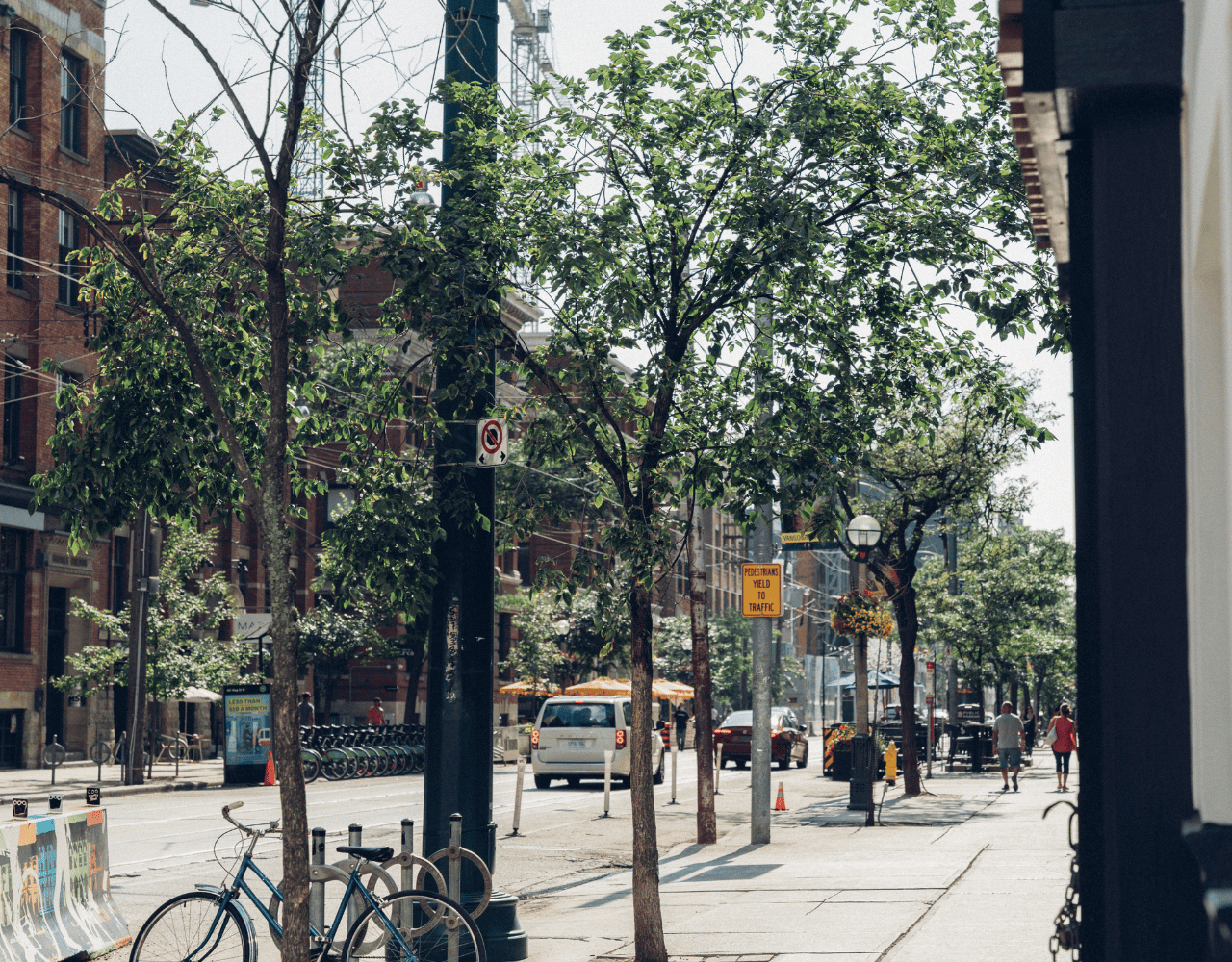
Washington, DC is a city of distinct neighborhoods. Within a few Metro stops you can go from Federal-era rowhouses on cobblestone streets to glassy waterfront apartments to detached homes on leafy, quieter blocks. That variety is a big part of DC's appeal, and it's also why picking a neighborhood can feel overwhelming.
This guide walks through how to narrow your search, groups neighborhoods by the features buyers and renters ask about most (walkability, Metro access, parks and space, and budget), and then profiles 11 classic neighborhoods worth knowing. All 30 DC neighborhoods in this guide link to a full HOMESbyRP neighborhood guide.
How to choose a DC neighborhood
Start with how you want to live day to day, then let that shortlist the map. A few questions to answer first:
- Commute: Which Metro line or bus route gets you to work, and how long are you willing to ride? Living near your line can matter more than living near downtown.
- Car or car-free: Do you want to walk to groceries, coffee and restaurants, or do you need easy parking and highway access?
- Home type: Condo, co-op, rowhouse, semi-detached or detached home? Some neighborhoods are mostly one type.
- Outdoor space: Is a yard a must, or is a nearby park or trail enough? Do I need proximity to schools or parks for my family?
- Evenings and weekends: Do you want restaurants, music venues and nightlife outside your door, or a calmer residential street?
- Budget: Set a comfortable price range before you fall for a block. It's easy to stretch when every neighborhood has something to love.
Most walkable neighborhoods
If you want to run errands, grab dinner and get to the Metro on foot, start here.
- Logan Circle: Victorian rowhouses and condo buildings around a historic circle park, with the restaurants and shops of 14th Street a few blocks away and several Metro stations within walking distance.
- Dupont Circle: Galleries, bookstores, embassies and cafés, a Sunday farmers market, and a Red Line station at the circle itself. Its lively environment and rich cultural history make it perfect for young professionals.
- Columbia Heights: Big-box shopping and local restaurants clustered around the Columbia Heights Green/Yellow Line station, with a mix of rowhouses and apartment and condo buildings. Like Logan Circle, it often attracts young professionals who rely on public transport and enjoy a walkable lifestyle.
- Mount Pleasant: A village-style main street, a weekly farmers market, and Rock Creek Park right at its edge, a short walk from the Columbia Heights Metro.
- Penn Quarter & Chinatown: Condos and apartments, from loft-style units in converted historic buildings to modern high-rises, around the Friendship Archway, Capital One Arena, the National Portrait Gallery and Ford's Theatre, with four Metro stations and a farmers market close by.
- Mount Vernon Square: Mostly condo and apartment buildings, plus older rowhouses on some side streets, around the 1903 Carnegie Library, next to the Convention Center and the Mt Vernon Sq/7th St-Convention Center Green/Yellow Line station.
- Downtown: City-center living near the White House, CityCenterDC's shops and restaurants, and Metro Center, with the museums and monuments of the National Mall a short walk away.
Apartments, nightlife and Metro access
Are you a young professional on the hunt for the perfect place to call home in the heart of Washington, DC? Looking for a condo or apartment within walking distance of restaurants, live music and a Metro station? These neighborhoods combine newer apartment buildings with lively commercial streets.
- U Street: One of DC's best-known music corridors, home to the Lincoln Theatre and the 9:30 Club, with a Green/Yellow Line station right on U Street.
- Shaw: Victorian rowhouses alongside newer apartment buildings, a busy restaurant scene along 7th and 9th Streets, the historic Howard Theatre, and its own Green/Yellow Line station.
- Navy Yard: Mostly newer apartment and condo buildings along the Anacostia River, with Nationals Park, The Yards Park, the Anacostia Riverwalk Trail and a Green Line station.
- H Street (North Capitol Hill): A long commercial strip of bars, restaurants and the Atlas Performing Arts Center, with rowhouses on the side streets and newer apartment buildings along the corridor, close to Union Station. Just to the west, the Union Market district is one of DC's newest hot spots, with its food hall, restaurants and new apartment buildings near the NoMa-Gallaudet U Red Line station.
- NoMa-Gallaudet: Newer high-rise condo and apartment buildings, many with rooftop amenities, beside Union Station's Amtrak, MARC and VRE trains, with its own Red Line station, the Metropolitan Branch Trail, and Union Market's food hall on its eastern edge.
- Ivy City: A compact former rail-yard neighborhood near Union Market with rowhouses, newer townhomes and apartment buildings, distilleries such as One Eight Distilling, and the landmark 1937 Hecht Company Warehouse on New York Avenue.
- Southwest Waterfront & The Wharf: Condo and apartment buildings along the Washington Channel, where The Wharf's restaurants, shops and a 6,000-seat music venue line a waterfront promenade, next to the historic Municipal Fish Market and the Waterfront Green Line station.
- Congress Heights: Garden-style apartments and older single-family homes, with its own Green Line station and the CareFirst Arena on the St. Elizabeths East Campus hosting Washington Mystics games and concerts.
Family-friendly neighborhoods: more space, parks and quieter streets
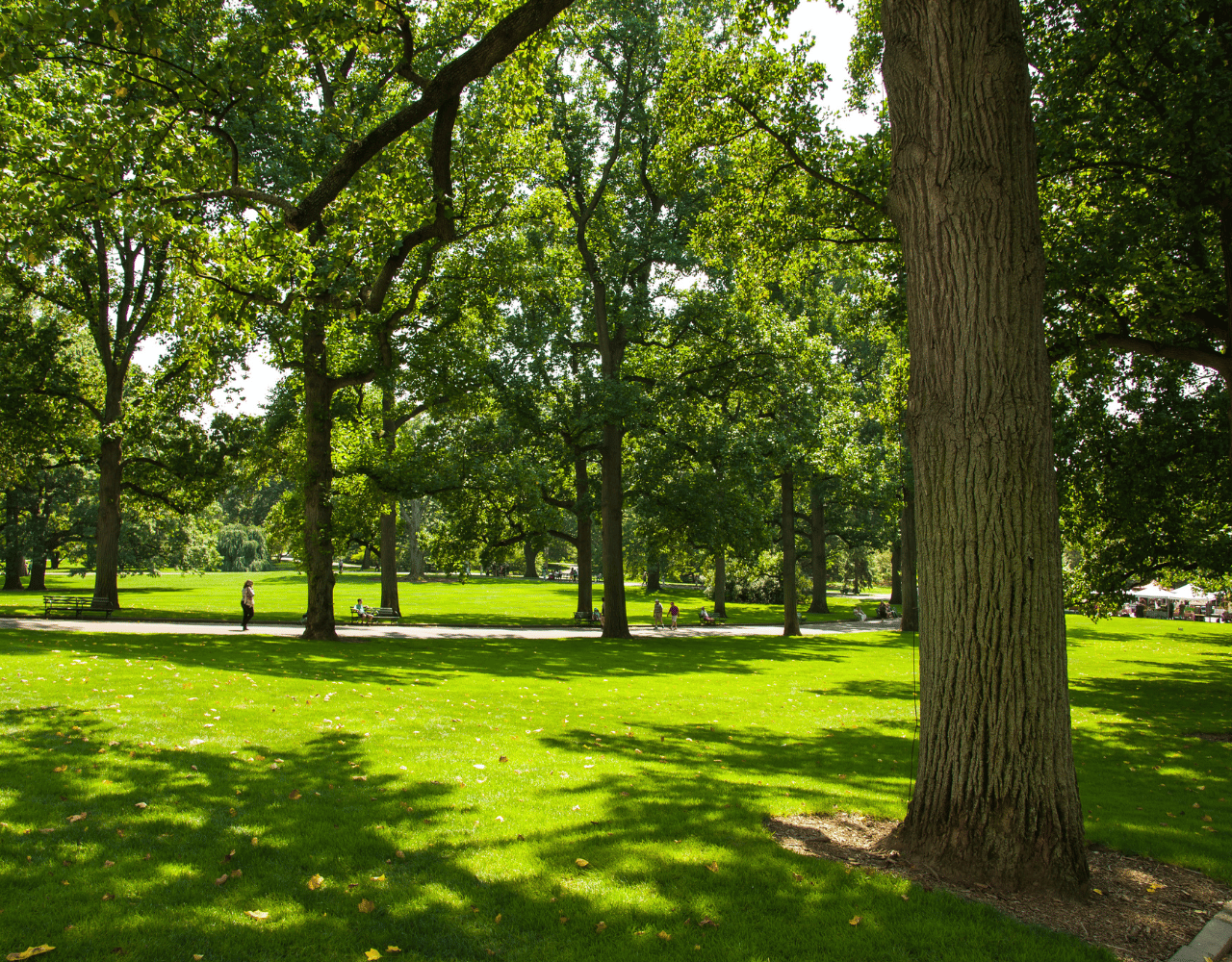
For families with children, finding a neighborhood with parks is essential. If you want a yard, a detached home or a front porch, or trails and playgrounds close by, these neighborhoods have a more residential feel while staying inside the city.
- Cleveland Park: Detached homes and rowhouses on tree-lined streets, plus apartment buildings along Connecticut Avenue, a Red Line station, the landmark Art Deco Uptown Theater building, and the National Zoo and Rock Creek Park nearby.
- Woodley Park: Early 20th-century rowhouses and semi-detached homes next to the National Zoo, with Rock Creek Park's trails steps away, providing endless outdoor activities for families, and a Red Line station on Connecticut Avenue. It's popular among young families.
- Chevy Chase, DC: Mostly detached homes on leafy streets near the Maryland line, with a neighborhood shopping strip along Connecticut Avenue and plenty of family-friendly amenities.
- Palisades: Detached homes along the Potomac, with MacArthur Boulevard as its main street and the C&O Canal towpath and Capital Crescent Trail close by.
- Glover Park: Rowhouses and apartments bordered by the wooded trails of Glover-Archbold Park, with shops and restaurants along Wisconsin Avenue, just north of Georgetown.
- Spring Valley: Primarily detached single-family homes on generous lots with mature landscaping and garages, on wooded streets near Westmoreland Circle and the Maryland line. It's more car-oriented than much of DC.
- Cathedral Heights: Single-family homes and rowhouses on quieter side streets, with apartment, condo and co-op buildings along Wisconsin and Cathedral Avenues, all close to Washington National Cathedral and the Wisconsin Avenue shops.
- Anacostia: Historic homes and rowhouses in the Anacostia Historic District alongside newer townhomes and condos, with the Frederick Douglass National Historic Site, Anacostia Park and the Riverwalk Trail along the water, and a Green Line station about 10 minutes from downtown.
Neighborhoods to explore on a tighter budget
Prices vary a lot across DC, and a few strategies can stretch your budget:
- Look a little farther out along a Metro line. Petworth has classic porch-front rowhouses, local shops and restaurants along Upshur Street, and the Georgia Ave-Petworth Green/Yellow Line station. It's popular among first-time homebuyers and families. Brookland has detached homes and rowhouses, newer apartments near its Red Line station, and the Monroe Street Market arts walk.
- Consider a condo or co-op. In many central neighborhoods, a condo or co-op is the most practical way to buy close to the Metro.
- Look just over the line. Takoma Park is a small city in Montgomery County, Maryland, with Victorian homes and a walkable downtown, next to the Takoma Red Line station. Keep in mind that crossing into Maryland means different property taxes, rules and services.
- Ask about buyer programs. DC offers first-time and down-payment assistance programs, such as the Home Purchase Assistance Program and DC Open Doors. Eligibility rules apply, so check with the program and a lender.
For current prices in any neighborhood, see the DC Area Market Reports page or ask me for a custom search in your price range.
11 DC neighborhoods to know
- Georgetown: Cobblestone streets, Federal-era rowhouses, the C&O Canal and a Potomac waterfront park, with shopping and dining along M Street and Wisconsin Avenue. It has no Metro station of its own, so most people walk, bike or take the bus.
- Dupont Circle: Galleries, embassies, bookstores and cafés surround the circle park. Historic rowhouses and condo buildings sit steps from the Red Line.
- Capitol Hill: 19th-century rowhouses on tree-lined streets, Eastern Market's food hall and weekend vendors, Lincoln Park, and the Capitol and Library of Congress at its western edge. It also boasts a range of schools and community centers, making it ideal for families.
- U Street: Music history and live venues, late-night dining, and a Green/Yellow Line station in the middle of it all.
- Shaw: Victorian rowhouses alongside newer apartment buildings, plus some of the city's most talked-about restaurants and the Howard Theatre.
- Adams Morgan: The 18th Street strip of restaurants, bars and independent shops, an annual street festival, rowhouses and condos, and Meridian Hill Park nearby.
- Cleveland Park: A suburban feel inside the city, with detached homes and rowhouses, Connecticut Avenue shops, a Red Line station, and easy access to the Zoo and Rock Creek Park.
- Logan Circle: Grand Victorian homes and stylish condos around a historic circle park, close to the 14th Street dining scene, offering the perfect blend of convenience and culture for young professionals.
- Foggy Bottom: Between the White House and the Potomac, home to the Kennedy Center and George Washington University, with condo and co-op buildings, historic rowhouses, and a Blue/Orange/Silver Line station.
- Navy Yard: A former industrial area turned riverfront neighborhood, with modern apartments and condos, waterfront dining, The Yards Park and Nationals Park.
- Brookland: Tree-lined streets, detached homes and rowhouses, art studios along the Monroe Street Market arts walk, and a Red Line station.
Want to compare more areas? Browse all of our DC neighborhood guides.
Tips for visiting before you decide
- Visit at different times. Walk the same blocks on a weekday morning, a weeknight and a weekend afternoon. Traffic, parking and noise can change a lot.
- Test your commute. Ride the Metro or drive your route at rush hour before you commit.
- Walk the errands. Find the nearest grocery store, pharmacy, gym and park, and see how long they actually take on foot.
- Check the details that matter to you. Look into parking rules, condo or HOA fees, and any planned construction nearby.
- Talk to a local agent. I can point out block-by-block differences you won't see in listing photos.
Frequently asked questions
What are the best neighborhoods to live in Washington, DC? It depends on what you want day to day. For walkability, start with Logan Circle, Dupont Circle, Columbia Heights and Penn Quarter. For apartments near nightlife and the Metro, look at U Street, Shaw, Navy Yard, NoMa and The Wharf. For more space and parks, look at Cleveland Park, Woodley Park, Chevy Chase, Spring Valley and the Palisades.
Which DC neighborhoods are most walkable? Logan Circle, Dupont Circle, Columbia Heights, U Street, Shaw, Capitol Hill, Penn Quarter & Chinatown, Mount Vernon Square and NoMa all put groceries, restaurants and transit within walking distance for most addresses. Always check the specific block, since walkability varies street by street.
Which DC neighborhoods have the most apartments near Metro and nightlife? U Street, Shaw, Navy Yard, Columbia Heights, NoMa, the Southwest Waterfront, the H Street corridor and the nearby Union Market district all mix newer apartment buildings with restaurants, bars and music venues, and each has Metro or Union Station access nearby.
Which DC neighborhoods have the most parks and green space? Neighborhoods along Rock Creek Park (Woodley Park, Cleveland Park and Mount Pleasant) along the Potomac (Palisades and Glover Park, next to Glover-Archbold Park) and along the Anacostia River (Anacostia, next to Anacostia Park) have trails and green space close to home.
How do I find the assigned public school for a DC address? Use the School Finder on My School DC to look up the in-boundary school for any address, then research schools directly to decide what fits your needs.
Is it better to rent or buy in DC? It depends on how long you plan to stay, your savings and your monthly budget. I'm happy to walk through the numbers for a specific neighborhood and price range.
Ready to find your DC neighborhood?
Whether you're moving to DC or moving across town, I can help you compare neighborhoods, tour homes and find the right fit for your budget and lifestyle. Call or text me at (301) 991-7061, or send me a message.
HOMESbyRP of eXp Realty, LLC | 800 Maine Ave SW Suite 200, Washington DC 20024 | 833-335-7433 | Equal Housing Opportunity